Sedation Options
Sedation in children’s dentistry ranges from happy gas, which simply takes the edge off anxiety, through to treatment under general anaesthesia in hospital. Most children are calm, comfortable and confident in a paediatric dental office — our practice is designed for young people, and the paediatric dentists consulting at Tooth Town have specialist training in caring for infants, children, adolescents and persons with special needs. For the children who need extra help, the right sedation option can transform their experience of dental care.
Nitrous Oxide — Happy gas
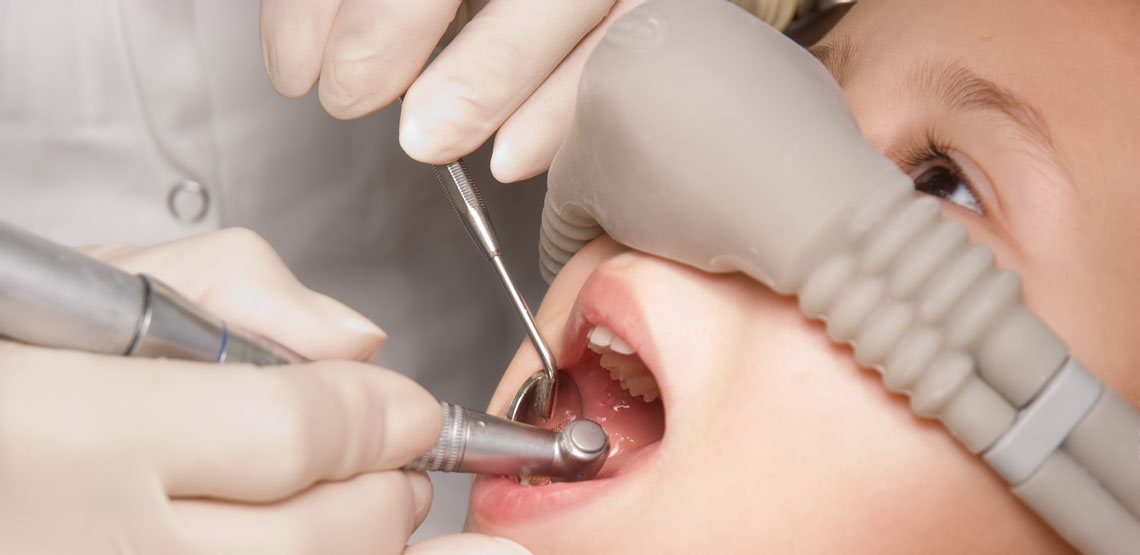
Nitrous oxide, commonly known as happy gas, is a combination of nitrogen and oxygen administered through a lightweight facial mask. It’s a safe and effective way to help alleviate anxiety and stress during treatment, and it also decreases the gag reflex.
Happy gas is widely regarded as the safest sedative used in dentistry. It works almost instantaneously, and the effects are quickly reversed after treatment — afterwards, your child is free to go back to school or continue daily activities without residual effects. Your child stays awake and responsive throughout, which is why many families find it the perfect middle ground for mild to moderate anxiety. Wondering how it compares to sleep dentistry? Our guide to happy gas vs general anaesthetic lays the two options side by side.
General Anaesthesia — Sleep dentistry
General anaesthesia enables your child to undergo all of their treatment in one stress-free appointment, with no memory of the procedure. It is ideal for children who are unable to cooperate in the chair, or who require extensive treatment that would normally take multiple appointments — completing everything at once also means less time off school and work.
Treatment under general anaesthesia takes place in hospital — we operate at St Andrew’s War Memorial Hospital, Herston Private Hospital and Brisbane South Private Hospital — with a specialist paediatric anaesthetist caring for your child throughout while we focus on the dentistry. General anaesthesia is very well established for children’s dental care, though like any anaesthetic it is never entirely without risk; your child’s suitability is always assessed individually, and the anaesthetist will discuss their care with you.
Because hospital treatment involves three separate care providers — the dental team, the hospital and the anaesthetist — there are three separate fee components. We’ll explain how these work and what to expect at your consultation, before anything is booked. Please note that hospital fees are not covered by the Child Dental Benefits Schedule; our team can talk you through how the CDBS and private health insurance may apply to your child’s care.
POSSIBLE PATIENTS FOR PAEDIATRIC SEDATION OR ANAESTHESIA ARE:
- Infants and toddlers
- Children that have very demanding dental treatment requirements
- Children that are very apprehensive
- Children with strong gag reflexes
- Children with traumatic experiences
- Children that have problems with tools and smells associated to dentistry
- Children with special needs
It starts with a consultation
Sedation is never a first resort — it’s one option among many, and the right choice depends on your child’s age, temperament, medical history and the treatment needed. At the consultation we’ll assess your child, discuss the options honestly, and help you find the approach that gives your child the best possible experience — our guides on what happens at a sedation consultation and why some children find dental treatment difficult are helpful background reading. If general anaesthesia is recommended, we’ll walk you through the whole journey — our guides on preparing for your child’s general anaesthetic and caring for your child afterwards cover what to expect before and after the day.
We’ve also put together a Hospital Social Story for children having treatment under general anaesthetic — a picture-based walkthrough of the day you can read together at home so nothing comes as a surprise.
Frequently asked questions
Is happy gas safe for children?
Happy gas is widely regarded as the safest sedative used in dentistry. It’s continuously adjustable, wears off within minutes, and your child remains awake and responsive throughout. Your child’s clinician will confirm it’s appropriate for your child before any treatment.
Will my child be asleep with happy gas?
No — happy gas relaxes rather than sleeps. Your child stays awake, can talk with us, and simply feels calmer and a little floaty. If your child needs to be fully asleep for treatment, general anaesthesia is the option we’d discuss instead.
Does my child need to fast before sedation or anaesthesia?
Preparation requirements, including fasting, depend on the type of sedation and are safety-critical. You’ll receive specific written instructions for your child’s appointment — please follow those exactly, and call us with any questions. General guidance is on our preparing for your visit page.
How safe is general anaesthesia for a child?
Dental treatment under general anaesthesia takes place in hospital with a specialist paediatric anaesthetist dedicated to your child’s care. It is very well established for children, though no anaesthetic is entirely without risk — your child is assessed individually, and the anaesthetist will discuss everything with you beforehand.
What does treatment under general anaesthesia cost?
Because hospital care involves the dental team, the hospital and the anaesthetist, there are three separate fee components, and costs vary with the treatment your child needs. We’ll provide clear information about fees at your consultation, before you decide anything.
Wondering what’s right for your child?
Book a consultation — we’ll take the time to understand your child and find the gentlest path to the care they need.